Most Common Scenes at a Mineral Processing Site
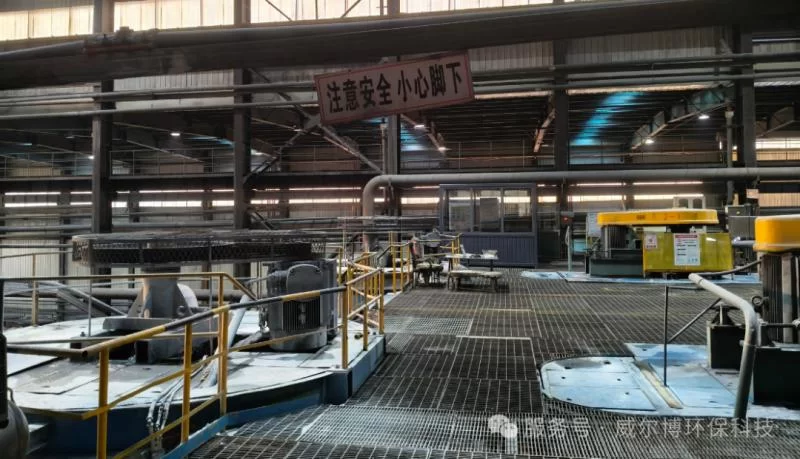
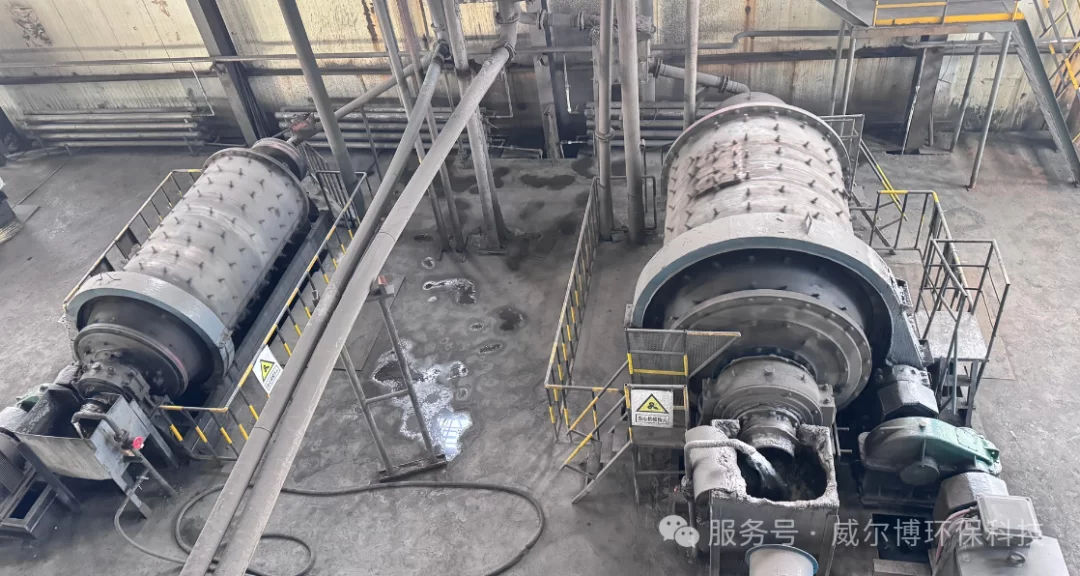
In a mineral processing plant, you’ve definitely seen this scenario:
Reagents have been added according to the procedures.Flow rate, pulp density, and dosing units are all functioning properly.Yet the recovery rate still fluctuates unpredictably.
Every time the shift changes, reagent dosage has to be readjusted.Technicians stay on-site all day, making constant fine-tuning.
In the end, people usually draw the same conclusion:“The ore is unstable; there’s nothing we can do.”
But the truth is rarely in the ore itself.It lies in a basic parameter that has long been overlooked.
A Widely Accepted Data Point That’s Seldom Tested
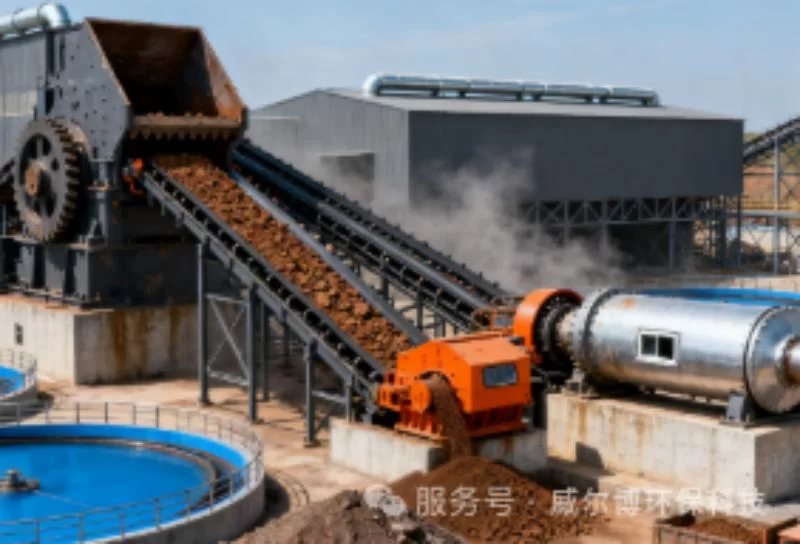
A Data Everyone Takes for Granted, But Rarely Verified
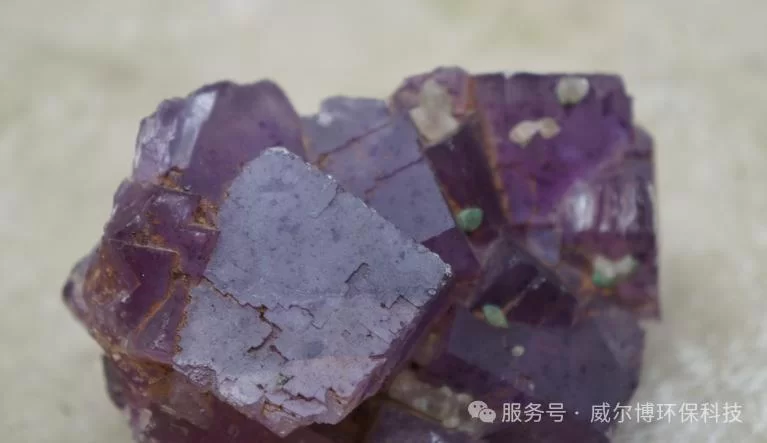
True Specific Gravity of Ore
True specific gravity of ore is used in nearly all mineral processing calculations:pulp density conversion,reagent consumption per ton of ore,automatic reagent dosing linkage,and even dense medium density setting.
But the reality is —In most concentrator plants, the ore specific gravity in use comes from:
Design institute empirical values
Data from old projects
Or hasn’t been updated for years
The problem:Ore body changes,grade changes,blending ratio changes —but the specific gravity stays the same.
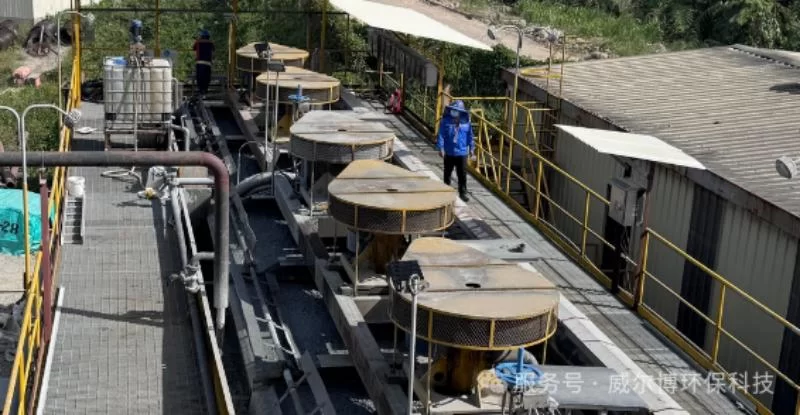
One Simple Test – Relearn the Ore Itself
Later, the site used a very straightforward methodto re-measure the true specific gravity of ore.
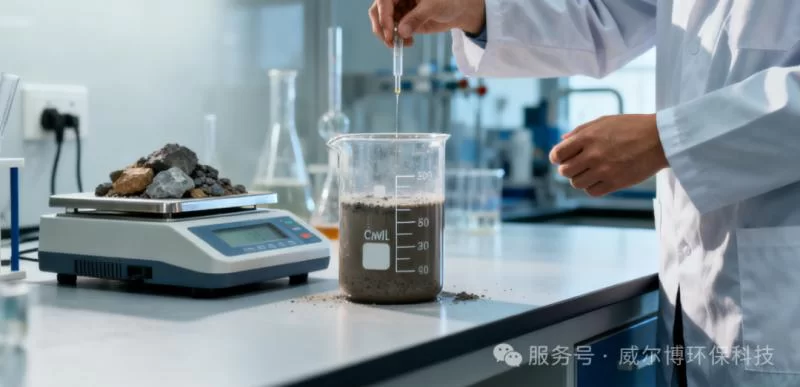
No complex instruments, no laboratory conditions required —only three things:
✅ A calibrated volume density flask
✅ An electronic scale
✅ A real pulp sample
Measurements Show:
Total mass of a given volume of pulp→ Dry weight of ore after drying→ Back-calculate the actual volume occupied by ore
The final true specific gravity of the ore is: 2.70 t/m³
But the value long used in the system is: 2.85 t/m³
How big is the difference?
Over 5% difference.
What Does a 5% Specific Gravity Error Mean?
In mineral processing reagent dosing, 5% is never a small number.
It means:
✅ Reagent consumption per ton of ore is systematically higher than necessary
✅ The larger the flow rate, the more the error is amplified proportionally
✅ The more carefully the operator fine-tunes, the more unstable the process becomes
Simply put:It’s not that you didn’t add the reagent accurately.You added it accurately —to a wrong base number.
Why Does Traditional Dosing Always Depend on Manual Adjustment?
Three inherent flaws in traditional systems mean it can never be fully automated:
▷ Specific gravity = fixed constant (unrealistic)
▷ Concentration = rough estimate (no accurate data)
▷ Reagent dosage = empirical judgment (no quantitative basis)
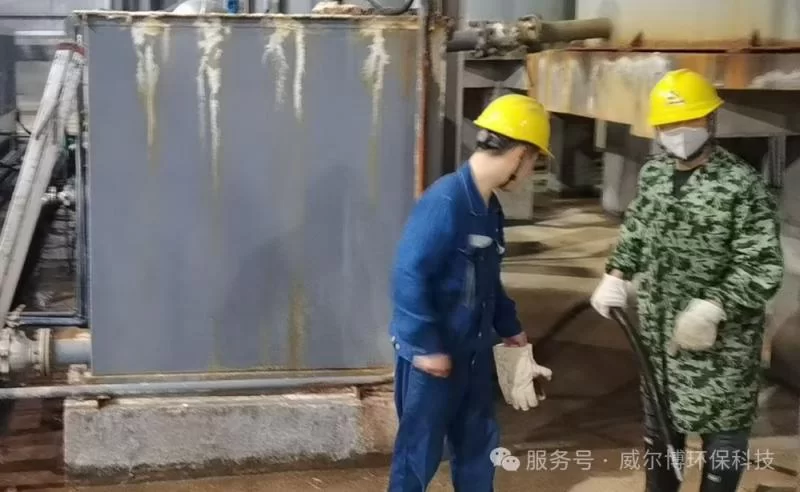
Only humans can “work by intuition”:
Observe the froth, monitor the grade, check the tailings,and adjust repeatedly.
Reagent dosing becomes entirely a “skill”rather than a science.
Real Precision Dosing Starts with Ore Physical Properties
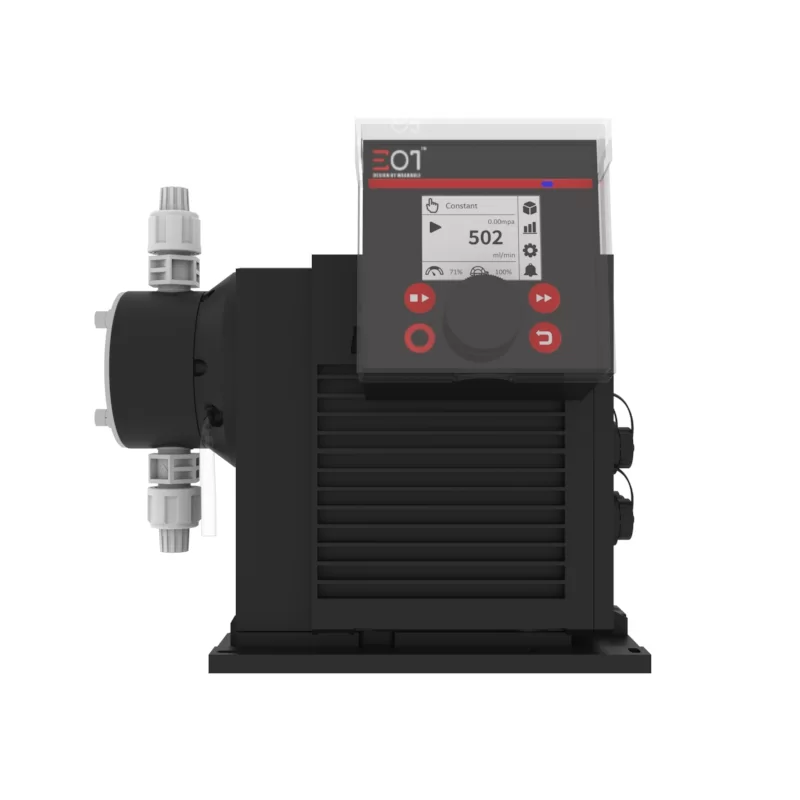
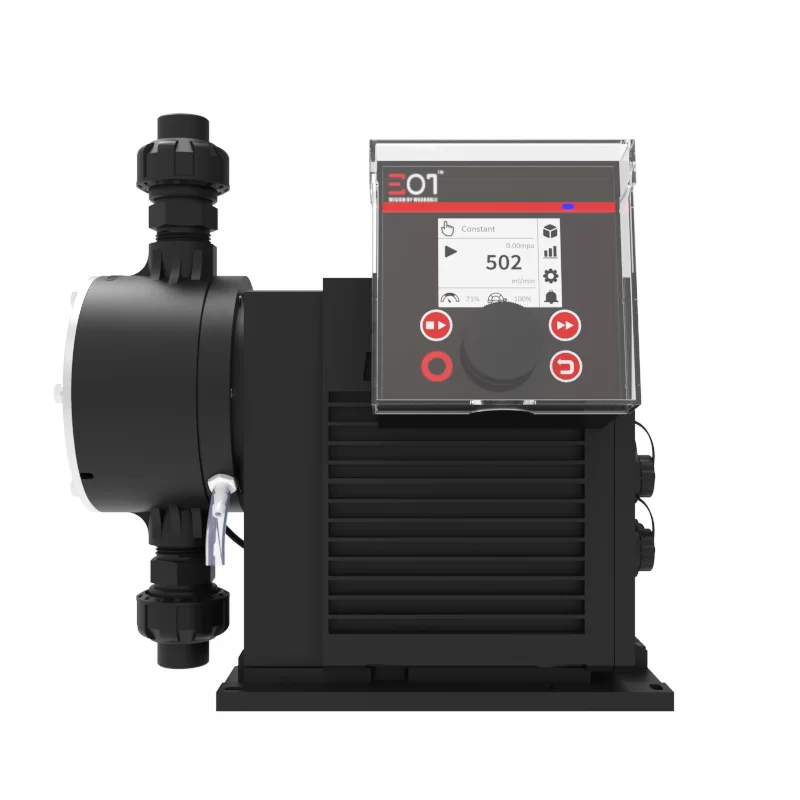
Core breakthrough of the Wellbo Electro-Differential Dosing System:Transform ore true specific gravity from a fixed constantinto a dynamic core parameter —verifiable, updatable, and calculable.
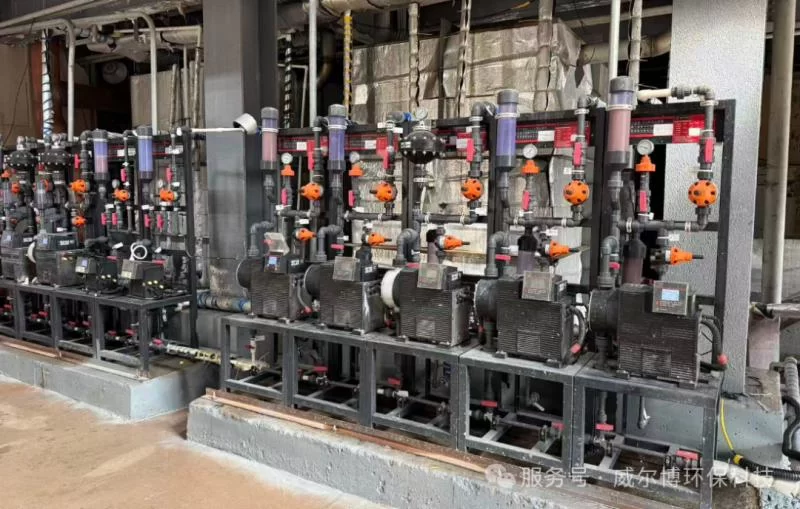
Engineering Logic – Simple & Efficient
1.Measure actual ore specific gravity on-site
2.Input parameters into the system
3.Automatic conversion by the system:Pulp volume → Ore massReagent consumption per ton → Instant dosage
4.Real-time execution by electro-differential dosing unit
Core Advantages:When ore feed changes, dosage adjusts immediately.When ore properties change, the system fully responds!
From “Empirical Dosing” to “Property-Driven Dosing”
After recalibrating the ore specific gravity,on-site improvements are usually significant:
Adjustment time reduced from dozens of minutes to seconds
Real drop in reagent consumption per ton
Recovery rate no longer fluctuates sharply
Operators no longer need to “guard the site by intuition”
Many projects finally realize:The problem was never with the reagents or the staff.It was that we never accurately calculated one simple thing:How much ore is really in one ton of pulp.
True precision dosing does not start with the dosing unit.It starts with truly understanding the ore.
Only when ore specific gravity is no longer an assumed value,and dosing systems no longer rely on empirical correction,can mineral processing truly enter the era of data-driven operations.