In daily life, many people may not realize that minerals like fluorite are actually critical raw materials in numerous industrial processes.From chemical manufacturing to metallurgy, fluorite is widely used across industries.
However, raw fluorite ore has no direct market value.It must be processed through professional mineral processing technologiesto become high-purity products that meet industrial requirements.
Among these processes, flotation reagent dosing is the core stepfor effective separation and purification of the ore.
Today, we will discuss how precise reagent control in flotationimproves the efficiency of fluorite mineral processingand truly turns ore into valuable products.
What is fluorite, and why is it so important?

Fluorite (calcium fluoride, CaF₂) is an important mineral resourcewidely used in the chemical, metallurgical and smelting industries.One of its most common applications is as a raw material for producing hydrofluoric acid,which serves as a foundation for many chemical products,including refrigerants, pharmaceuticals and electronic components.
However, natural fluorite ore usually contains other impurity minerals.This requires purification through specialized mineral processing techniquesto produce high-purity fluorite that meets industrial standards.
Flotation Reagent Dosing: The Key Process to Turn Ore into Value
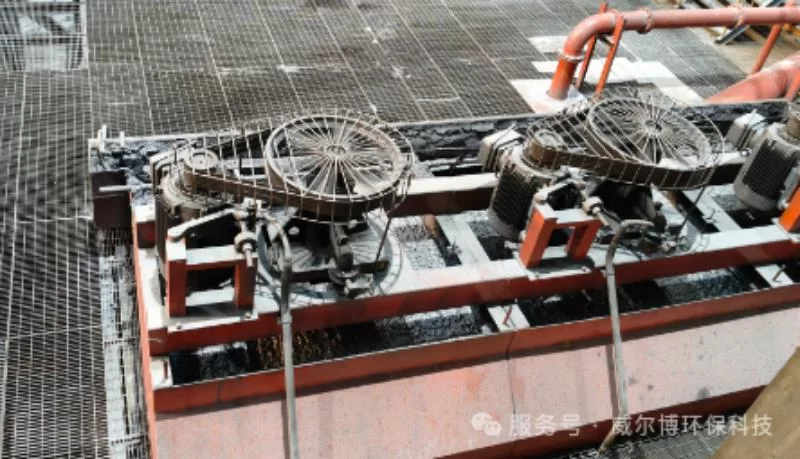
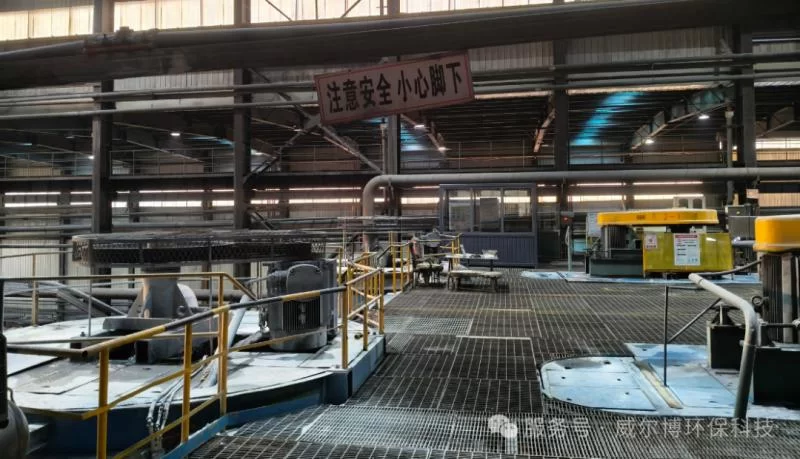
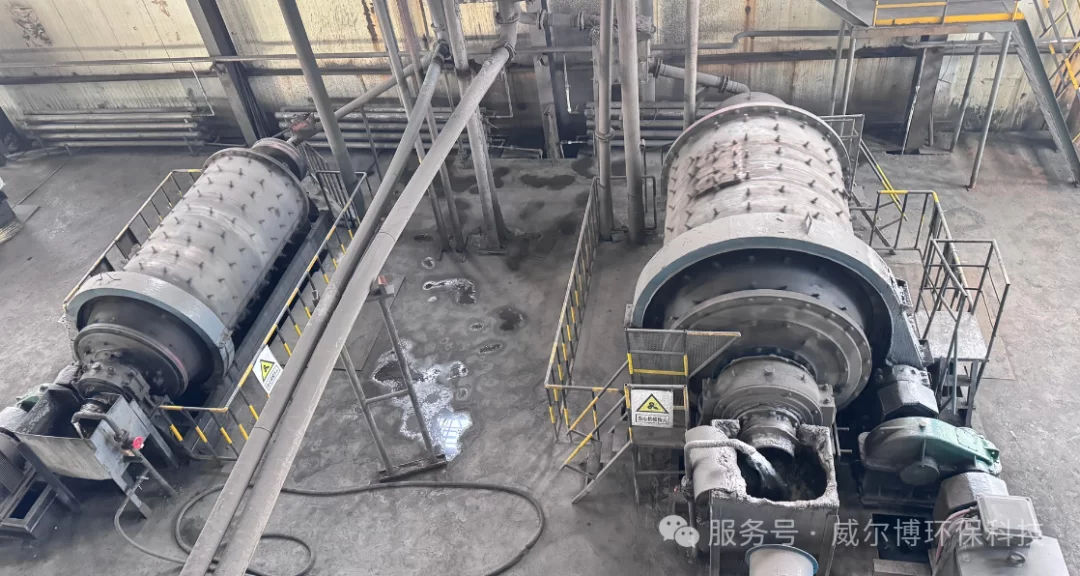
Flotation is a common mineral separation technique that uses differences in surface properties of minerals.It allows valuable minerals to attach to air bubbles and float to the surface, thereby separating them from gangue impurities.
Reagent dosing plays a decisive role in the flotation process.Chemicals added during dosing can modify the surface properties of minerals,improve the attachment between minerals and bubbles,and enhance flotation performance.
For fluorite ore, the main objectives of flotation reagent dosing are:
Precisely separate fluorite from associated minerals
Improve fluorite recovery
Ensure the purity of the final product
By optimizing reagent dosage and dosing timing, flotation efficiency can be significantly improved,enabling the production of high-recovery, high-purity fluorite.
The Three Key Reagents in Flotation Dosing
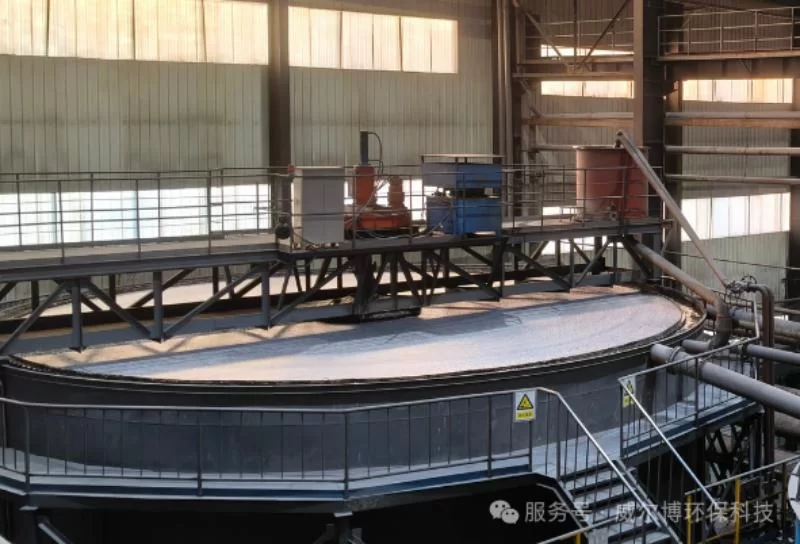
In the flotation dosing process, the type and application of reagents are critical. The main reagents include:
1.Collector – Promotes mineral-bubble attachment. Collectors are the most important reagents in flotation. They modify the surface properties of minerals to make them hydrophobic, so they can attach to air bubbles more easily and float to the surface. Common collectors include organic compounds such as fatty acid soaps and amines. The dosage of collector must be adjusted according to the actual ore conditions. Excessive use can cause unwanted minerals to float as well, reducing flotation performance and concentrate grade.
2. Frother – Controls froth stability Frothers are used to generate froth and maintain its stability. Stable froth effectively carries and separates the floated minerals. In fluorite flotation, a suitable frother helps improve flotation efficiency. Although frother dosage is relatively low, the fineness and stability of the froth directly affect the smoothness of the flotation process.
3. Modifier – Adjusts the chemical environment of the pulp. Modifiers are used to adjust the chemical environment of the pulp to ensure smooth flotation. Common modifiers include lime and sodium silicate. Their main functions are to adjust pulp pH and depress the flotation of certain impurity minerals. Adjusting the pulp pH to the optimal range for fluorite flotation is an important step in improving mineral processing results.
Precision Dosing: The Key to Improving Flotation Performance

Precision Dosing: The Key to Enhancing Flotation Performance
Flotation performance is often determined by reagent dosage.Traditional dosing methods frequently result in over dosage or under dosage, which not only weakens flotation results but also causes reagent waste.To solve this problem, precision dosing technology has been developed.
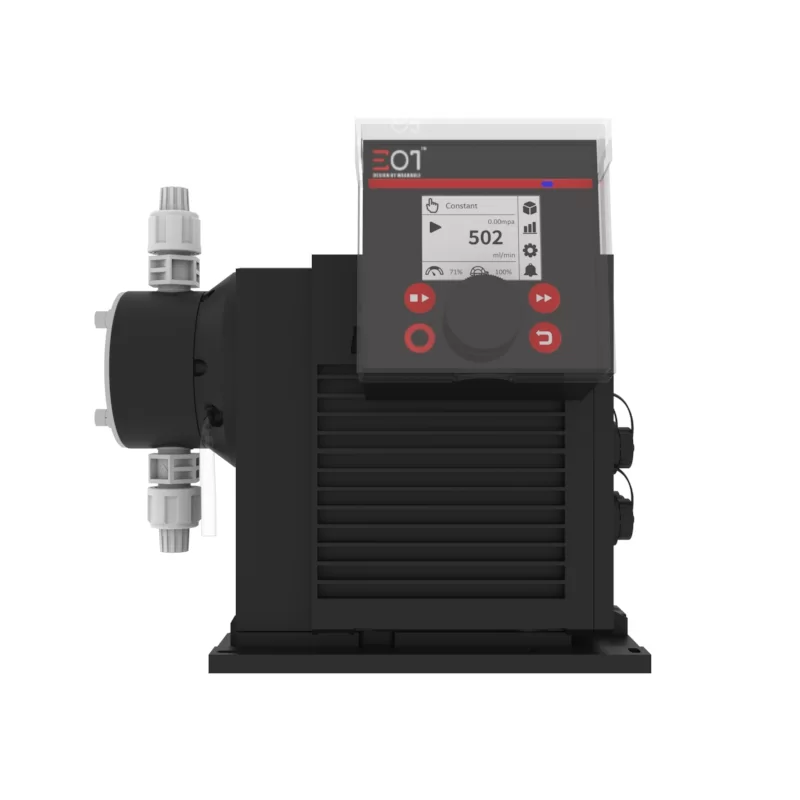
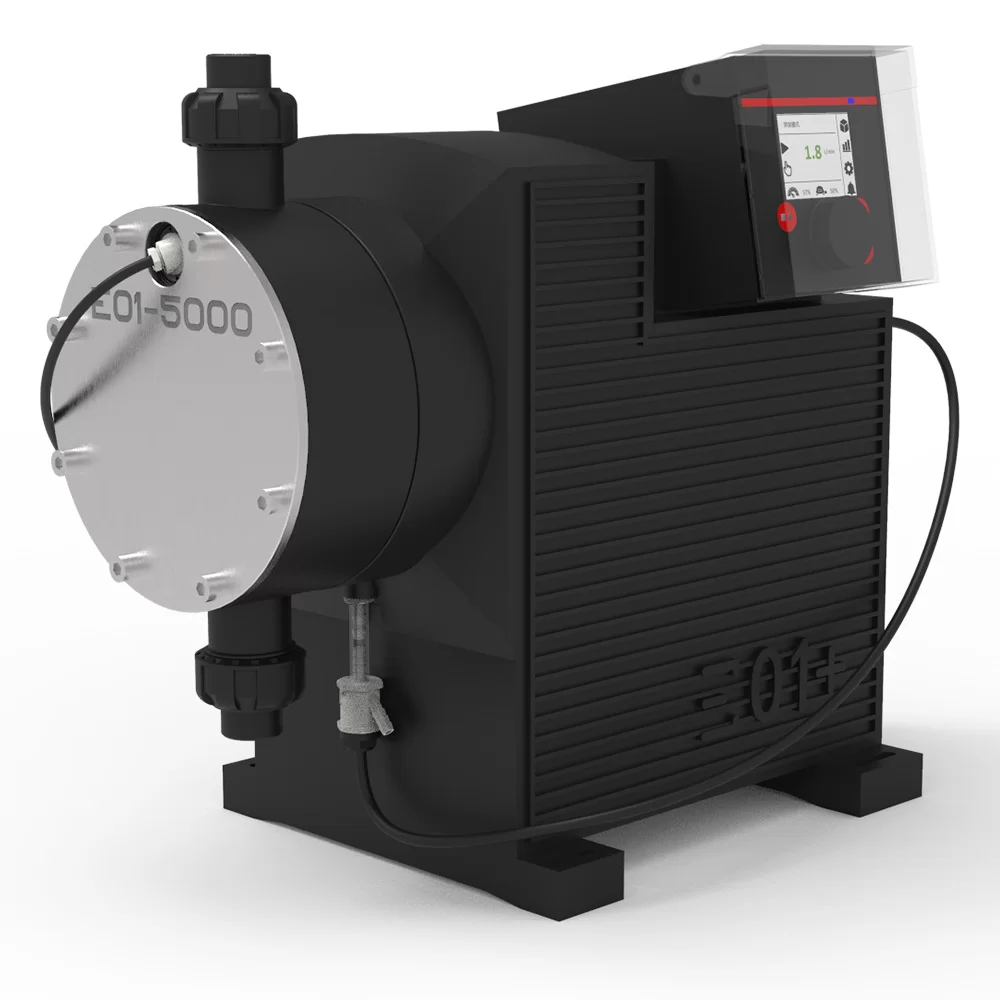
Electro differential reagent feeders are precision dosing equipment using vector motor control technology.They can accurately adjust reagent dosage according to the real time demands of the pulp during flotation.
Through high precision dosage control,flotation recovery is effectively improved, reagent waste is reduced, and production costs are lowered.
The advantages of precision dosing:By adjusting dosage in real time,each stage of the flotation process is maintained at its optimal condition,improving the separation efficiency of fluorite oreand ensuring final product purity.
Flotation Dosing: Challenges and Solutions
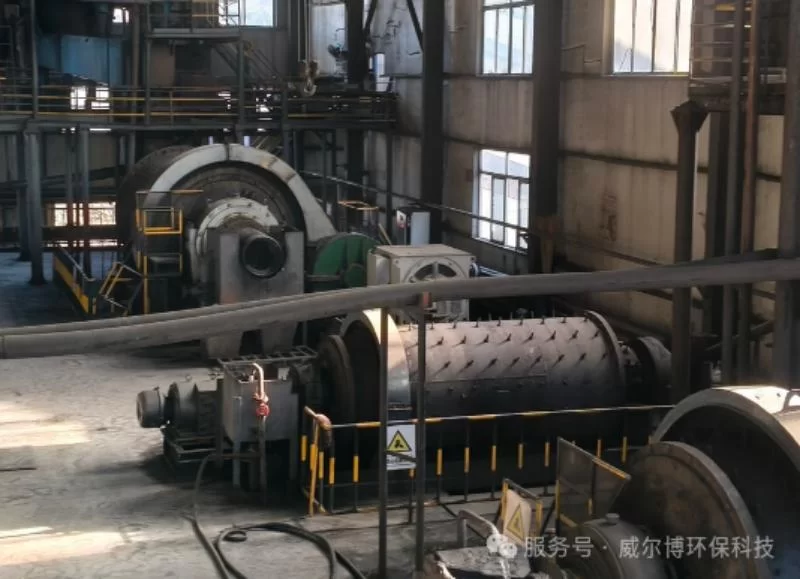
Although flotation reagent dosing can greatly improve the efficiency of fluorite mineral processing, some challenges still exist in actual production, such as:
Uneven reagent dosing: Unreasonable reagent dosage may result in poor flotation performance or mineral waste.
Changes in pulp environment: Different batches of ore may require different flotation dosing plans, so flexible adjustment is needed.
To overcome these challenges, the application of precision dosing equipment such as electro-differential reagent feeders enables real-time monitoring of reagent consumption and accurate control of dosing volume.This avoids over-dosing or under-dosing and ensures stable and efficient flotation operations.